

Sustainability · 2025
In this section48 topics
- Sustainability Policy2 items
- Sustainability Goals & UN SDGs3 items
- Policy Review3 items
- Business Value Chain1 item
- Stakeholder Analysis1 item
- Environmental Policy & Guidelines3 items
- Environmental Policy Review3 items
- Energy — Plan & Guidelines2 items
- Energy — Electricity Consumption1 item
- Energy — Fuel Consumption1 item
- Energy — Targets2 items
- Energy — Performance & Outcomes2 items
- Water — Plan & Guidelines2 items
- Water — Withdrawal, Discharge & Consumption1 item
- Water — Targets2 items
- Water — Performance & Outcomes2 items
- Waste — Plan & Guidelines2 items
- Waste — Generation, Disposal & Recycling1 item
- Waste — Targets2 items
- Waste — Performance & Outcomes2 items
- GHG — Plan & Guidelines2 items
- GHG — Emissions1 item
- GHG — Emissions Verification1 item
- GHG — Principles & Standards1 item
- GHG — Targets1 item
- GHG — Performance & Outcomes1 item
- Environmental Legal Incidents1 item
- Social Sustainability — Overview1 item
- Social Policy & Guidelines3 items
- Social Policy Review3 items
- Human Rights Due Diligence2 items
- Employees — Plan & Guidelines3 items
- Employees — Workforce1 item
- Employees — Remuneration & Provident Fund1 item
- Employees — Training & Development1 item
- Employees — Occupational Health & Safety1 item
- Employees — Labour Relations1 item
- Employees — Employee Representation2 items
- Employees — Targets2 items
- Employees — Performance & Outcomes2 items
- Customers — Plan & Guidelines3 items
- Customers — Satisfaction Results1 item
- Customers — Targets2 items
- Customers — Performance & Outcomes2 items
- Community & Social — Plan & Guidelines3 items
- Community & Social — Targets1 item
- Community & Social — Performance & Outcomes2 items
- Law Violation Incidents1 item
Sustainability Policy
Has a Sustainability Policy
Yes
Policy Description
The Group is committed to conducting its business under a sustainable development framework by integrating Environmental, Social, and Governance (ESG) principles into its corporate strategy, operational processes, and business decision-making. This approach aims to create long-term value for all stakeholders while strengthening the Group’s resilience and competitiveness.
Sustainability Framework
The Group has established its sustainability approach across three key dimensions:
1. Environmental Dimension
The Group places strong emphasis on minimizing environmental impact arising from its operations. Key initiatives include efficient resource utilization, reduction of greenhouse gas emissions, effective energy and waste management, and the development of environmentally friendly products and solutions.
2. Social Dimension
The Group conducts its business with due consideration for all stakeholders, including employees, customers, business partners, and communities. The Group prioritizes human rights, workplace safety, employee development, and the creation of shared value for society.
3. Governance Dimension
The Group adheres to high standards of corporate governance by operating with transparency, accountability, and ethical business conduct. Robust risk management and internal control systems are in place, alongside a strong organizational culture rooted in integrity and responsibility.
Integration into Corporate Strategy
Sustainability is fully embedded into the Group’s business strategy, with careful consideration of ESG-related risks and opportunities to support high-quality and sustainable growth over the long term.
The Group has established clear sustainability targets, key performance indicators, and action plans, supported by continuous monitoring and evaluation to ensure alignment with its strategic objectives.
Commitment to Sustainable Growth
The Group believes that sustainable business practices are a key driver of long-term competitive advantage. By maintaining a balance between economic performance, environmental stewardship, and social development, the Group is well-positioned to deliver sustainable growth and create enduring value for all stakeholders.
Sustainability Goals & UN SDGs
Has Sustainability Goals
Yes
Goals Description
Sustainability Management Strategy
The Group is committed to positioning itself as a technology-driven organization that delivers sustainable growth, while creating value for stakeholders across all dimensions—economic, social, and environmental. The United Nations Sustainable Development Goals (SDGs) serve as a key reference framework in shaping the Group’s strategic direction.
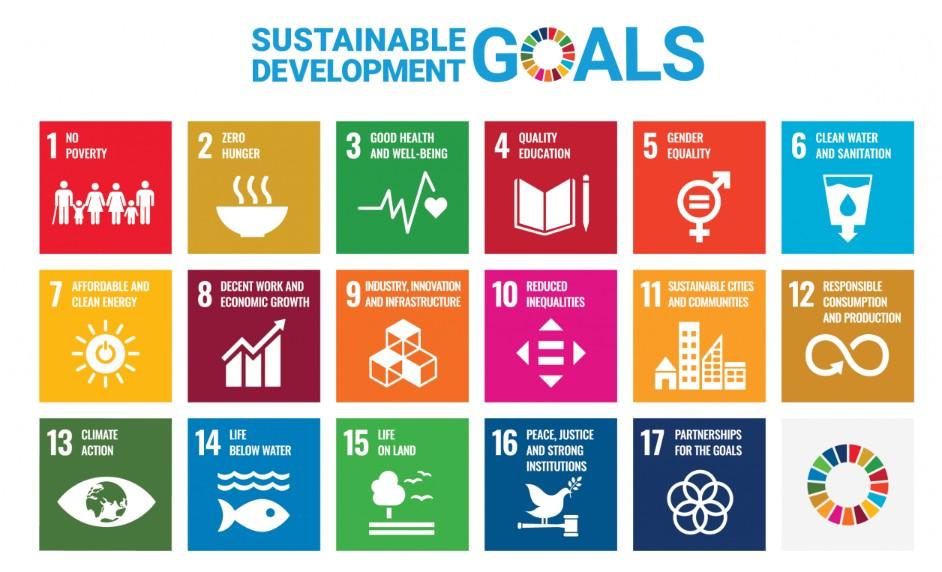
Sustainability principles are fully integrated into the Group’s business operations through the Environmental, Social, and Governance (ESG) framework, embedded across the entire value chain. This approach enhances operational efficiency, mitigates risks, and strengthens long-term competitiveness.
1. Environmental Dimension
The Group places strong emphasis on environmental stewardship and the efficient use of natural resources. Efforts are focused on minimizing environmental impact throughout the lifecycle of products and services—from design and development, manufacturing, logistics, and distribution, to end-user consumption. The Group promotes responsible resource utilization through the principles of reduce, reuse, and recycle, alongside effective management of energy, water, waste, and emissions. In addition, the Group is committed to reducing greenhouse gas emissions and supporting long-term ecological balance.
Strategic Objective: To deliver high-quality and environmentally responsible experiences across the value chain by integrating operational excellence with environmental accountability, thereby creating sustainable value for customers and stakeholders.
2. Social Dimension
The Group conducts its business with a strong commitment to all stakeholder groups, including employees, customers, business partners, and communities, with the aim of creating shared value alongside sustainable business growth.
The Group prioritizes human rights, occupational health and safety, and continuous employee development to enhance organizational capabilities over the long term. It also fosters an inclusive workplace that embraces diversity, equity, and inclusion.
In relation to customers and business partners, the Group is committed to delivering high-quality products and services that meet recognized standards, while building trust and long-term relationships. Responsible business practices are promoted throughout the supply chain.
Furthermore, the Group actively contributes to community and social development by generating positive and sustainable impacts aligned with its business context and societal needs.
Strategic Objective: To strengthen stakeholder trust and engagement through responsible business practices and the creation of shared value, supporting sustainable organizational growth alongside social development.
3. Governance Dimension
The Group upholds strong corporate governance by conducting business with transparency, accountability, and ethical integrity, thereby reinforcing trust among shareholders, investors, and all stakeholders.
A robust governance structure is in place, with the Board of Directors providing strategic direction and oversight to ensure alignment with good corporate governance principles. This is supported by effective risk management and internal control systems.
The Group has established clear policies on business ethics, conflict of interest prevention, and anti-corruption, alongside fostering a corporate culture grounded in integrity and responsibility.
The Group also ensures accurate, complete, and timely disclosure of information, and maintains ongoing communication channels with stakeholders to promote transparency and long-term confidence.
Strategic Objective: To elevate corporate governance standards to international levels by enhancing transparency, accountability, and organizational credibility, thereby supporting sustainable growth and long-term value creation.
The Group has effectively translated its sustainability policy and management framework into tangible organization-wide practices. Clear strategic direction, targets, and implementation guidelines have been established across Environmental, Social, and Governance (ESG) dimensions to ensure that sustainability initiatives are executed efficiently and aligned with the Group’s overall business operations.
The Group places strong emphasis on transparent and continuous communication of sustainability-related information, both internally and externally. Key disclosures—including sustainability policies, performance outcomes, sustainability initiatives, and corporate governance practices—are communicated through the Company’s Annual Report (56-1 One Report and Structured Data), as well as the Investor Relations website. This ensures that all stakeholders have access to complete, accurate, and timely information.
In addition, sustainability considerations have been integrated into the Group’s human capital development processes. ESG awareness is embedded into employee onboarding programs to foster a sustainability-driven organizational culture from the outset.
From a supply chain perspective, the Group is in the process of incorporating sustainability requirements into supplier agreements, with the aim of enhancing operational standards and promoting responsible business practices across the value chain.
At the same time, the Group has expanded its sustainability communication channels through corporate presentations in investor meetings, as well as digital and online platforms. These efforts are intended to enhance communication effectiveness and respond comprehensively to the evolving expectations of all stakeholder groups.
UN Sustainable Development Goals
| SDG Goal |
|---|
| Goal 1 No Poverty |
| Goal 2 Zero Hunger |
| Goal 3 Good Health and Well-being |
| Goal 4 Quality Education |
| Goal 5 Gender Equality |
| Goal 6 Clean Water and Sanitation |
| Goal 7 Affordable and Clean Energy |
| Goal 8 Decent Work and Economic Growth |
| Goal 9 Industry, Innovation and Infrastructure |
| Goal 10 Reduce Inequalities |
| Goal 11 Sustainable Cities and Communities |
| Goal 12 Responsible Consumption and Production |
| Goal 13 Climate Action |
| Goal 14 Life below Water |
| Goal 15 Life on Land |
Policy Review
Policy Reviewed This Year
Yes
Policy Changed This Year
Yes
Review Details
During the past year, the Company has significantly enhanced its sustainability policy and targets to align with evolving business dynamics, global ESG trends, and rising stakeholder expectations. The focus has been on embedding sustainability into core business strategy and driving long-term value creation in a measurable and disciplined manner.
Key developments include:
Establishment of clearer and quantifiable targets across key environmental areas, including energy efficiency, resource utilization, and environmental impact reduction, enabling systematic tracking and performance measurement
Enhancement of ESG KPIs with stronger linkage to overall corporate performance and management evaluation, reinforcing accountability across all levels of the organization
Integration of ESG into corporate strategy and Enterprise Risk Management (ERM), ensuring sustainability considerations are embedded in strategic decision-making processes
Strengthening ESG data management and disclosure practices, with improved transparency, auditability, and alignment with international reporting standards to meet investor expectations
Deepening stakeholder engagement, leveraging insights to refine policies and targets in line with stakeholder priorities
These enhancements reflect the Company’s commitment to advancing toward global sustainability standards, strengthening long-term competitiveness, and delivering sustainable value creation for all stakeholders.
Business Value Chain
Value Chain Description
Stakeholder Impact Management Across the Value Chain
The Group places strong emphasis on systematically managing sustainability across its entire value chain—from upstream to downstream—to ensure business continuity, operational stability, and long-term sustainable growth.
The Company conducts comprehensive assessments of impacts arising from its business activities at each stage of the value chain, alongside a thorough evaluation of stakeholder expectations, both internal and external. This enables the effective identification of material issues that may significantly affect business operations.
The outcomes of these assessments are incorporated into the Company’s strategic framework and management approach, with a focus on mitigating risks, minimizing potential adverse impacts, and enhancing operational efficiency in alignment with stakeholder expectations.
In parallel, the Group is committed to strengthening strategic relationships with stakeholders across the value chain by fostering collaboration, creating shared value, and supporting initiatives that contribute positively to society and local communities.
Through this approach, the Group effectively balances economic, social, and environmental impacts, while reinforcing the resilience of its value chain and enhancing long-term competitiveness.
Stakeholder Analysis
Stakeholder Analysis
| Stakeholder Type | Stakeholders | Stakeholder Expectations | Response to Expectations | Communication Activities |
|---|---|---|---|---|
| External stakeholders | 2904 · Description: Investors or investment institutions · 2905 · Description: Analysts · 2913 · Description: Shareholders · 2915 · Description: Consumers · 2925 · Description: Financial institution · 2926 · Description: Educational institution or academic agency · 2932 · Description: Joint venture partners · 2935 · Description: Independent entities | • Good turnover and sustainable growth of the Company
• Regular communication and information provision of the Company
• Good Corporate Governance
• Availity of the risk management system
• Availability of good audit and control system
| • Holding the Annual General Meeting of Shareholders
• Participating in the SET’s Opportunity Day Activity for the listed companies to meet the investors and organizing the factory visit
• Disclosing the correct, complete, and timely information via the website and Annual Report
• Determining Investor Relations to reply to queries and provide the correct and complete information in the investment aspect
| 2938 · Description: Visit · 2939 · Description: Press Release · 2941 · Description: Online Communication · 2944 · Description: Annual General Meeting (AGM) · 2945 · Description: Complaint Reception · 2949 · Other name: Annual Report · Description: Others · 2949 · Other name: Quarterly Performance Report · Description: Others · 2949 · Other name: The Stock Exchange of Thailand’s Opportunity Day Activity for the listed companies to meet the investors, and factory visit · Description: Others · 2949 · Other name: Disclosing the information through the organizational communication channels · Description: Others |
| Internal stakeholders | 2921 · Description: Employees | • Paying remuneration and having good welfare
• Good working environment
• Equality and fairness
• Stability and career growth
| • Promoting and developing the employee's potential
• Paying the appropriate and fair remuneration
• Fairly assessing the performance
• Equally respecting human rights and treating
| 2941 · Description: Online Communication · 2942 · Description: Internal Meeting · 2945 · Description: Complaint Reception · 2948 · Description: Training / Seminar · 2949 · Other name: Performance assessment · Description: Others |
| External stakeholders | 2923 · Description: Customers | • Quality products and services
• Responsible for products and services
• Complying with the agreements and conditions of the contract
• Quickly receiving the assistance
• Participating in the Company’s activities
• Creating good relationship between customers and the Company
| • Selling quality products and services
• Treating customers under the determined contracts, agreements, and conditions
• Rapidly and efficiently providing product and service information, hearing, and solving problems for the customers
| 2938 · Description: Visit · 2939 · Description: Press Release · 2944 · Description: Annual General Meeting (AGM) · 2945 · Description: Complaint Reception · 2947 · Description: Satisfaction Survey · 2949 · Other name: Hearing customer opinions, suggestions, and complaints through various channels. · Description: Others · 2949 · Other name: Jointly organizing activities · Description: Others |
| External stakeholders | 2899 · Description: Suppliers · 2900 · Description: Business partners | • Operating the business with fairness and business ethics
• Developing collaboration in jointly doing business
| • Treating the business partner under the determined agreements and conditions of the contract
• Developing and maintaining sustainable relationships with business partners and contractual parties
| 2938 · Description: Visit · 2939 · Description: Press Release · 2941 · Description: Online Communication · 2943 · Description: External Meeting · 2944 · Description: Annual General Meeting (AGM) · 2945 · Description: Complaint Reception · 2949 · Other name: Holding joint meetings · Description: Others |
| External stakeholders | 2931 · Description: Government agencies and Regulators | • Complying with the determined agreements and conditions of the contract | • Complying with the contracts, laws, rules and regulations, and practical measures of the government agencies | 2938 · Description: Visit · 2944 · Description: Annual General Meeting (AGM) · 2945 · Description: Complaint Reception · 2949 · Other name: Contacting the Company via letter and E-mail · Description: Others |
| External stakeholders | 2898 · Description: Competitors | • Complying with the good competition framework without distortion or slandering each other | • Complying with the business competition policy under a good competition framework | 2938 · Description: Visit · 2943 · Description: External Meeting · 2945 · Description: Complaint Reception · 2949 · Other name: Holding joint meetings · Description: Others |
| External stakeholders | 2894 · Description: Creditor | • Repaying under the contract
• Cooperating upon request of the additional information
| • Strictly complying with the terms of the loan contract
• Cooperating with financial institutions in the disclosure of the appropriate financial report
| 2938 · Description: Visit · 2944 · Description: Annual General Meeting (AGM) · 2945 · Description: Complaint Reception · 2949 · Other name: Holding joint meetings · Description: Others · 2949 · Other name: Contacting the Company via letter and E-mail · Description: Others |
| External stakeholders | 2902 · Description: Community · 2928 · Description: Society | • Repaying under the contract
• Cooperating upon request of the additional information
| • Strictly complying with the terms of the loan contract
• Cooperating with financial institutions in the disclosure of the appropriate financial report
| 2940 · Description: Social Event · 2941 · Description: Online Communication · 2945 · Description: Complaint Reception |
Environmental Policy & Guidelines
Has an Environmental Policy
Yes
Policy Description
Environmental policy and practice
The Company has developed a policy and practices for environmental care to ensure compliance with relevant laws, regulations, and standards. These efforts aim at environmental preservation, pollution reduction affecting ecosystems and communities, and efficient resource consumption stemming from the Company's operations. Furthermore,
the Company actively promotes the cultivation of new behaviors among all employees to align with its environmental policy. This includes measures such as setting air conditioners to appropriate temperatures, turning off air conditioners and lights during lunch breaks, transitioning to LED lighting throughout the office, using lights only where needed, encouraging the use of stairs over elevators, and reusing single-sided paper to maximize its utility. Additionally, the Company organizes ongoing training on environmental measures and efficient resource use to enhance employees' knowledge and understanding to foster an awareness of social responsibility among employees.
Sustainability Policy and Goals
The Company is resolute in its commitment to developing and driving the business toward sustainability. We prioritize operations centered on three core pillars: Environmental, Social, and Governance (ESG), in alignment with international standards. This commitment ensures the Company’s adaptability and stable, long-term growth amidst a challenging business landscape. Furthermore, it aims to create long-term value for the business while delivering meaningful benefits to all stakeholders.
The Executive Committee has established the following sustainability policies and goals to serve as an operational framework:
Integrity and Responsibility: The Company is committed to conducting business with honesty, fairness, and social responsibility, strictly adhering to legal requirements and ethical codes of conduct.
Anti-Corruption: Personnel at all levels must strictly comply with the Company’s Anti-Corruption Policy.
Human Rights and Equality: The Company promotes and encourages adherence to fundamental human rights and equality, treating all stakeholders with fairness and respect for human dignity.
Fair Treatment of Employees: The Company treats all employees with justice and non-discrimination. We support capacity building for career advancement, provide appropriate welfare and compensation, and promote employee knowledge, health, and a safe, hygienic working environment.
Fair Treatment of Customers and Partners: The Company treats customers and business partners with fairness, adhering strictly to legal principles and ethics to ensure maximum and appropriate satisfaction for all parties.
Environmental Stewardship: The Company recognizes the importance of the environment, both internally and externally. All operations must minimize environmental impact on the Company, customers, partners, and the community. We also strive to cultivate environmental awareness, promote efficient resource utilization, and prevent pollution.
Community and Social Development: The Company prioritizes supporting activities and initiatives that contribute to the development and well-being of the community and society, both directly and indirectly.
In the past year, the Company communicated and disseminated its environmental and sustainability policies to all employees to enhance their understanding and awareness of environmental management practices and efficient resource use. 100% of the workforce has acknowledged and received training on these policies.
Environmental Guidelines
| Guideline | Other — Please Specify |
|---|---|
| Electricity Management | |
| Fuel Management | |
| Renewable/Clean Energy Management | |
| Water Management | |
| Waste Management | |
| Greenhouse Gas and Climate Change Management | |
| Air Quality Management | |
| Noise Pollution Management | |
| Others | Selection for Use of Containers |
Environmental Policy Review
Policy Reviewed This Year
Yes
Review Details
Environmental Policies and Practices
The Company has established environmental policies and guidelines that ensure full compliance with all relevant laws, regulations, and requirements. We prioritize environmental preservation and the reduction of pollution affecting ecosystems and communities resulting from our operations. This includes the efficient use of resources in accordance with our environmental policy, focusing not only on prevention and control but also on the continuous improvement and development of our management systems. Furthermore, the Company provides training on environmental measures and resource efficiency to educate and instill a sense of environmental responsibility among all employees and personnel.
In 2025, the Company incurred no costs from fines or penalties related to environmental operations. This reflects our strict adherence to environmental laws and regulations, as well as our ongoing commitment to conducting business with social and environmental responsibility.
Environmental Performance
Resource Utilization and Energy Management
The Group recognizes the importance of efficient and sustainable energy use and is committed to implementing measures to enhance energy efficiency, reduce environmental impacts, and promote the use of renewable energy. These initiatives align with international environmental policies and the Group’s sustainable development objectives.
The Group continuously conducts internal awareness campaigns to encourage employees to use resources and energy efficiently, including fuel, electricity, and water. Communication is delivered through internal email channels and corporate communications, along with practical examples of best practices that employees can readily apply in their daily routines. Employees are encouraged to switch off electrical equipment when not in use, turn off lights in unused areas and during lunch breaks, adjust air-conditioning to appropriate temperature levels, and promptly report any equipment malfunctions.
Additionally, the Building and Facilities Department conducts regular annual maintenance of air-conditioning systems and routinely inspects water systems to detect leaks. Any defects or leakage identified are promptly repaired. These measures collectively help reduce negative environmental impacts, such as global warming, acid rain, air pollution, and water pollution, which ultimately affect quality of life, economic stability, and social well-being.
Greenhouse Gas Management
The Group’s operations contribute indirectly to greenhouse gas (GHG) emissions through electricity consumption. Electricity generation remains a significant contributor to global warming, as coal continues to be a primary fuel source worldwide. Recognizing this impact, the Company actively encourages executives and employees to continuously adjust their behaviors to reduce electricity consumption.
To cultivate environmental awareness alongside daily work practices, the Company has established energy conservation guidelines, including:
Regular inspection and maintenance of air-conditioning systems in accordance with annual schedules
Preventive maintenance of machinery, electrical appliances, and equipment
Periodic inspection and maintenance of vehicles
Carpooling for shared routes and advance route planning
Waste segregation to reduce processing steps and energy consumption in waste disposal
Encouraging employees to carry reusable bags, food containers, and water bottles to reduce single-use packaging waste
The Group acknowledges the importance of systematic and sustainable greenhouse gas management. Accordingly, a structured GHG management plan has been established to support climate change mitigation and long-term sustainability. Subsidiaries have gradually installed solar rooftop systems to generate clean energy and reduce reliance on carbon-intensive energy sources.
In addition, subsidiaries engaged in electronics manufacturing have assessed greenhouse gas emissions arising from organizational activities and prepared carbon footprint reports in accordance with international standards. These reports have been verified by SGS (Thailand) Limited and are currently in the process of registration with the Thailand Greenhouse Gas Management Organization (Public Organization: TGO).
Packaging Selection
The Group is committed to reducing environmental impacts while encouraging consumer participation in environmental protection initiatives. For example, the Company develops automated freshly brewed beverage vending machines equipped with precise measuring systems and efficient water-cleaning mechanisms. Consumers can choose not to receive straws or lids, thereby reducing plastic consumption.
The Group also selects packaging materials such as cups and polypropylene (PP) plastic straws, which can be recycled or upcycled into new products. The Group operates two manufacturing plants through its subsidiaries. In 2025, both plants were certified under the ISO 14001 Environmental Management System by SGS (Thailand) Limited, representing 100% of the Group’s manufacturing facilities. The certification scope includes:
Plant 1: Printed Circuit Board (PCB) Assembly
Plant 2: Finished Electronics Manufacturing and Assembly (Box-Build)
This achievement reflects the Company’s strong commitment to effective environmental management in accordance with international standards and its continuous efforts toward sustainable development and long-term positive environmental and social impacts.
Water Management
The Company recognizes the importance of efficient and sustainable water resource management and has established water management plans to reduce unnecessary consumption and improve water use efficiency. Measures include regular inspection of water supply equipment, immediate repair or replacement of damaged devices, and awareness campaigns promoting responsible water use through signage and internal communications.
Subsidiary manufacturing facilities reuse treated wastewater for non-potable purposes such as irrigation and parking area cleaning, thereby reducing freshwater consumption. The Group aims to reduce its water consumption intensity by 1% by 2030 compared to the 2023 base year.
Waste and Waste Management
The Group places strong emphasis on comprehensive waste management to minimize environmental and community impacts, in strict compliance with relevant laws and regulations. Operations are guided by the Circular Economy concept and the 3R principles (Reduce, Reuse, Recycle) to maximize resource efficiency.
Key initiatives include transitioning to electronic documentation (paperless systems), promoting the reuse of packaging materials and used paper, and implementing systematic waste segregation across all operational areas. Recyclable waste is transferred to licensed waste management contractors in compliance with legal requirements.
Subsidiaries operating electronics manufacturing facilities have enhanced waste management practices to cover both general and hazardous waste, with the goal of achieving Zero Waste to Landfill. Employees receive regular training and encouragement to adopt environmentally friendly behaviors, such as using personal containers and practicing responsible resource consumption. Waste quantities are regularly monitored and evaluated to track progress and reinforce the Group’s long-term sustainability commitment.
Non-Recyclable Waste
In 2025, the Group generated a total of 58.75 tons of non-recyclable waste. Continuous monitoring, process improvements, upstream waste segregation, and collaboration with partners are implemented to reduce landfill disposal and mitigate environmental impacts.
Recyclable Waste
In 2025, the Group generated a total of 247.67 tons of recyclable waste. Management practices include source segregation, transfer to licensed recyclers, adoption of resource-efficient technologies, and continuous environmental awareness programs for employees and stakeholders.
Hazardous Waste
The Group manages hazardous waste in strict compliance with environmental laws and regulations to control risks to employee health, surrounding communities, and the environment. In 2025, hazardous waste generation totaled 0.0169 tons. Measures include source segregation, use of cleaner technologies, disposal through certified service providers, and employee training on safe and sustainable hazardous waste management.
The Group aims to ensure 100% legal compliance in hazardous waste disposal. Additionally, the Company has set a target to reduce average paper consumption at the head office by 1% from the 2025 baseline, as part of its ongoing resource reduction initiatives.
Energy Management
Electricity consumption is a significant contributor to global warming. Accordingly, the Company promotes continuous behavioral change among executives and employees to reduce electricity usage. Energy conservation measures include regular maintenance of air-conditioning systems, machinery, electrical equipment, vehicle inspections, carpooling initiatives, waste segregation, and promotion of reusable items to reduce single-use waste.
The Group has received strong cooperation from employees in switching off electrical equipment when not in use, optimizing air-conditioning temperatures, and reporting equipment defects. Energy consumption data for the past three years are disclosed in the ESG Structured Data available on the Stock Exchange of Thailand website.
Policies & Guidelines Changed
| Change |
|---|
| Electricity Management |
| Fuel Management |
| Renewable/Clean Energy Management |
| Water Management |
| Waste Management |
| Greenhouse Gas and Climate Change Management |
| Air Quality Management |
| Noise Pollution Management |
Energy — Plan & Guidelines
Has an Energy Management Plan
Yes
Plan Description
Sustainable Energy and Resource Management
The Company recognizes the importance of efficient and sustainable energy and resource utilization as a key driver of long-term business sustainability. It is committed to implementing initiatives that enhance energy efficiency, reduce environmental impact, and promote responsible resource consumption, in alignment with international environmental standards and the Company’s sustainability objectives.
The Company actively encourages employee participation in energy conservation and resource efficiency through continuous communication and awareness initiatives. Key practices include:
Promoting the switching off of lights and unplugging electrical devices when not in use, fostering a culture of energy conservation both in the workplace and at home
Encouraging the inspection and shutdown of electrical equipment during long holidays to reduce unnecessary energy consumption and enhance fire safety
Supporting digital transformation (Digitalization) to minimize paper usage in operations and internal communications
Promoting paper reuse and encouraging employees to review documents digitally before printing to reduce unnecessary paper consumption
Conducting regular inspection and maintenance of equipment and sanitary systems, with prompt corrective actions to prevent water loss, alongside ongoing campaigns to promote water conservation
Through these initiatives, the Company enhances energy and resource efficiency, minimizes environmental impact, and fosters a culture of environmental responsibility across the organization—forming a strong foundation for long-term sustainable growth.
Energy — Electricity Consumption
Electricity Consumption
| Metric | Current Year |
|---|---|
| Total electricity consumption within the organization (Kilowatt-Hours) | 9,756,520.1 |
| Electricity purchased for consumption from non-renewable energy sources (Kilowatt-Hours) | 9,756,520.1 |
| Electricity purchased or generated for consumption from renewable energy sources (Kilowatt-Hours) |
Energy — Fuel Consumption
Fuel Consumption
| Metric | Current Year | Previous Year | Two Years Ago |
|---|---|---|---|
| Jet fuel (Litres) | |||
| Diesel (Litres) | 269,477.1 | 205,292.06 | 84,718.79 |
| Gasoline (Litres) | 45,339.4 | 7,465.92 | 3,957.33 |
| Fuel oil (Litres) | |||
| Crude oil (Barrels) | |||
| Natural gas (Standard cubic feet) | |||
| LPG (Kilograms) | |||
| Steam (Metric tonnes) | |||
| Coal (Metric tonnes) |
Energy — Targets
Has Set Targets
Yes
Targets
| Target | Base Year | Target Year | Target Change (%) | Unit |
|---|---|---|---|---|
| Reduction of electricity purchased and fuel consumption | 2,023 | 2,028 | 1 | Kilowatt-hour |
Energy — Performance & Outcomes
Has Performance Results
Yes
Performance Description
Environmental Performance
Resource and Energy Management
The Group recognizes the importance of efficient and sustainable resource and energy utilization as a key component of its sustainability strategy. It is committed to implementing initiatives that enhance energy efficiency, minimize environmental impacts, and promote responsible resource consumption, in alignment with international environmental standards and the Group’s sustainability objectives.
The Group continuously promotes internal awareness and employee engagement to encourage efficient use of energy and resources, including electricity, water, and other utilities. Communication is regularly conducted through internal channels, such as corporate emails, to reinforce awareness and share best practices that employees can adopt in their daily activities.
Operationally, the Group has received strong cooperation from employees in adhering to energy-saving measures. These include switching off electrical equipment when not in use, turning off lighting in unoccupied areas, shutting down equipment during lunch breaks, maintaining appropriate air-conditioning temperatures, and promptly reporting equipment malfunctions for corrective action.
In addition, the Group implements systematic facility management practices, including annual air-conditioning maintenance and regular inspection of water systems to detect and prevent leakage. Any identified issues are addressed promptly to reduce resource loss and improve overall operational efficiency.
These initiatives contribute to reducing environmental impacts, including greenhouse gas emissions, air and water pollution, while supporting improved quality of life for communities and society in the long term.
To further strengthen a culture of resource efficiency, the Group has launched the “Reduce & Save Initiative” (Lod Dai Hai Yok Tue), an internal campaign that promotes active participation across both the parent company and its subsidiaries in energy and resource conservation. This initiative fosters positive behavioral change and reinforces the Group’s commitment to sustainable development.
Water — Plan & Guidelines
Has a Water Management Plan
Yes
Plan Description
The company recognizes the importance of efficient and sustainable water resource management. Consequently, a water management plan has been established to reduce wasteful consumption and enhance internal water-use efficiency, guided by the following principles:
The company regularly inspects all water valves and fixtures. Any damaged equipment is repaired or replaced immediately to prevent unnecessary water loss.
The company promotes water conservation awareness through the installation of signage and public relations materials. These efforts aim to campaign for water saving and encourage employees to participate in using water resources responsibly.
The company has implemented measures to reuse treated wastewater for activities that do not require potable water, such as watering plants and cleaning parking areas. This reduces fresh water consumption and improves the overall efficiency of water resource management.
Water — Withdrawal, Discharge & Consumption
Water Withdrawal, Discharge & Consumption
| Metric | Current Year | Previous Year |
|---|---|---|
| Total water withdrawal (Cubic meters) | 76,328.32 | |
| Total water withdrawal by third-party water (Cubic meters) | 76,328.32 | |
| Total water withdrawal by surface water (Cubic meters) | ||
| Total water withdrawal by groundwater (Cubic meters) | ||
| Total water withdrawal by seawater (Cubic meters) | ||
| Total water withdrawal by produced water (Cubic meters) | ||
| Percentage of wastewater treated before discharge (%) | ||
| Total water discharge (Cubic meters) | 41,128 | 39,592 |
| Total water discharge to third-party water (Cubic meters) | ||
| Total water discharge to surface water (Cubic meters) | ||
| Total water discharge to groundwater (Cubic meters) | ||
| Total water discharge to seawater (Cubic meters) | ||
| Total water consumption (Cubic meters) | 35,200.32 | 39,592 |
| Recycled water (Cubic meters) |
Water — Targets
Has Set Targets
Yes
Targets
| Target | Base Year | Target Year | Target Change (%) | Unit |
|---|---|---|---|---|
| Reduction of water withdrawal | 2,023 | 2,028 | 1 | Cubic meters |
Water — Performance & Outcomes
Has Performance Results
Yes
Performance Description
Water Management
The company recognizes the importance of using water resources efficiently and sustainably. Therefore, it has established a water management plan to reduce wasteful water usage and improve water efficiency within the organization. This includes regular inspections of water control devices, and if any equipment is found to be damaged, it will be promptly repaired or replaced to prevent unnecessary water loss. The company also promotes water conservation through the installation of signs and communication materials to encourage water-saving practices, as well as motivating employees to actively participate in the efficient use of water resources.
Additionally, the factory (subsidiary) has implemented measures to reuse treated wastewater for non-potable activities, such as watering plants and cleaning parking areas, in order to reduce freshwater consumption and improve water resource management efficiency. The group also runs campaigns and raises awareness about the importance of effective water management to ensure the efficient use of water resources, reduce environmental impacts, and support sustainable business operations.
Waste — Plan & Guidelines
Has a Waste Management Plan
Yes
Plan Description
The company is committed to conducting business alongside environmental responsibility, emphasizing systematic waste and waste management (Integrated Waste Management) to focus on the efficient use of resources, reducing impact on ecosystems, and aligning with international standards for sustainable development.
Waste Management Measures within the Organization To reduce waste at the source, the company has established 4 main practical guidelines:
Efficient use of resources: Encourage employees to reduce the use of unnecessary materials and switch to using more environmentally friendly materials.
Paperless system: Focus on using an electronic document system for internal operations to reduce paper and consumable office resources.
Reuse: Support the reuse of materials in good condition, such as cardboard boxes and packaging materials, before disposal.
Waste sorting stations: Install separate waste bins in all work areas to instill proper waste disposal discipline among all employees.
4-Category Waste Sorting Standards To ensure safe and proper end-of-life management (sorting, disposal, and recycling), the company has defined waste sorting by color and type as follows.
Red bin - Infectious and hazardous waste: For waste contaminated with chemicals, hazardous substances, or medical waste, to be safely disposed of through specialized methods.
Green bin - Organic waste: For waste from food scraps, markets, or agriculture that can be easily decomposed, to be used for composting or biogas.
Yellow bin - Industrial/Recyclable waste: For waste from production processes, focusing on separating components that can be recycled or reused to reduce the use of new resources.
Blue bin - General waste: For waste that is difficult to decompose and not worth recycling, to be collected for disposal or landfilling according to municipal standards.
The company believes that systematic waste management will help reduce negative environmental impacts in a sustainable way. We will continuously monitor the quantity of each waste type to improve our work processes for greater efficiency in the future.
Waste — Generation, Disposal & Recycling
Waste Generation, Disposal & Recycling
| Metric | Current Year | Previous Year | Two Years Ago |
|---|---|---|---|
| Total waste generated (Kilograms) | 72,940.6 | 69,097.51 | 0 |
| Non-hazardous waste (Kilograms) | 60,239.8 | 54,285.61 | |
| Non-hazardous waste - Landfilling (Kilograms) | 30,119.9 | 54,105.61 | |
| Non-hazardous waste - Incineration (with energy recovery) (Kilograms) | 30,119.9 | 180 | |
| Non-hazardous waste - Incineration (without energy recovery) (Kilograms) | |||
| Non-hazardous waste - Other disposal operations (Kilograms) | |||
| Hazardous waste (Kilograms) | 12,700.8 | 14,811.9 | |
| Hazardous waste - Landfilling (Kilograms) | 3,519.1 | 4,176 | |
| Hazardous waste - Incineration (with energy recovery) (Kilograms) | 9,165 | 10,619 | |
| Hazardous waste - Incineration (without energy recovery) (Kilograms) | 16.7 | 16.9 | |
| Hazardous waste - Other disposal operations (Kilograms) | |||
| Total reused/recycled waste (Kilograms) | 158,308 | 0 | |
| Reused/Recycled non-hazardous waste (Kilograms) | 158,308 | ||
| Reused non-hazardous waste (Kilograms) | |||
| Recycled non-hazardous waste (Kilograms) | 158,308 | ||
| Reused/Recycled hazardous waste (Kilograms) | |||
| Reused hazardous waste (Kilograms) | |||
| Recycled hazardous waste (Kilograms) |
Waste — Targets
Has Set Targets
Yes
Targets
| Waste Type | Disposal Approach | Target | Base Year | Target Year | Target Change (%) | Unit |
|---|---|---|---|---|---|---|
| Non-hazardous waste | 2758 · Description: Reuse · 2759 · Description: Recycle · 2760 · Description: Landfilling | Increase waste utilization | 2,023 | 2,028 | 1 | Kilograms |
Waste — Performance & Outcomes
Has Performance Results
Yes
Performance Description
Waste Management
The group of companies places great importance on effective waste management to reduce environmental impacts and promote the efficient use of resources, in alignment with sustainable development practices. Therefore, the group has implemented various measures and projects related to waste reduction, segregation, and proper disposal. These include encouraging employees to use resources efficiently, reduce the use of unnecessary materials, and choose environmentally friendly alternatives. The company also uses an electronic document system (Paperless) to reduce paper usage, significantly decreasing the amount of paper used within the organization.
Moreover, waste segregation bins are installed in all operational areas, with staff being educated on the correct waste separation methods to ensure that waste is disposed of according to the designated categories. Additionally, the company promotes the reuse of materials, such as cardboard boxes and packaging materials, to maximize their benefits.
GHG — Plan & Guidelines
Has a GHG Management Plan
Yes
Plan Description
The company focuses on conducting environmentally-friendly business operations through a systematic strategy to reduce greenhouse gas emissions. The parent company has laid the foundation for energy management within the organization by assessing the carbon footprint according to international standards, while also improving energy efficiency through the installation of solar rooftops and energy-saving innovations in buildings to reduce reliance on fossil fuels in a sustainable manner.
Concurrently, the company is driving the transition to a low-carbon society through its subsidiaries with the "GINKA Charge Point" innovation - an automated electric vehicle charging station that promotes the use of clean energy in the transportation sector. This not only caters to the needs of modern consumers, but also serves as a crucial mechanism to reduce greenhouse gas emissions at a macro level, aligning with the group's goal of balancing business growth and long-term environmental responsibility.
GHG — Emissions
GHG Emissions
| Metric | Current Year | Previous Year | Two Years Ago |
|---|---|---|---|
| Total GHG emissions (Metric tonnes of carbon dioxide equivalent) | 9,115 | 10,273 | 0 |
| Total greenhouse gas emissions 1 (Metric tonnes of carbon dioxide equivalent) | 2,916 | 2,453 | 0 |
| Total greenhouse gas emissions 2 (Metric tonnes of carbon dioxide equivalent) | 3,628 | 3,202 | 0 |
| Total greenhouse gas emissions 3 (Metric tonnes of carbon dioxide equivalent) | 2,571 | 4,618 | 0 |
GHG — Emissions Verification
Emissions Verified by a Third Party
No
GHG — Principles & Standards
Principles & Standards Applied
| Standard |
|---|
| 2671 |
GHG — Targets
Has Set GHG Targets
No
GHG — Performance & Outcomes
Has Performance Results
No
Environmental Legal Incidents
Legal Violation Incidents
| Metric | Current Year | Previous Year | Two Years Ago |
|---|---|---|---|
| Number of cases or incidents of legal violations or negative environmental impact (cases) | 0 | 0 | 0 |
Employees — Plan & Guidelines
Has an Employee Management Plan
Yes
Plan Description
The Company and its subsidiaries place great importance on human resource management as a key factor supporting sustainable business operations. The Company is committed to fair treatment of employees and workers, respect for human rights, and the promotion of employees’ capabilities, engagement, and quality of working life, under the principles of good corporate governance and international standards. The Company’s human resource management approach is summarized as follows:
1. Fair and Equitable Compensation
The Company implements a fair and equitable compensation and benefits policy that is appropriate to employees’ positions, knowledge, competencies, responsibilities, and performance. Compensation is determined with reference to industry benchmarks, economic conditions, and labor market trends, in order to attract and retain talented personnel.
Employee compensation consists of wages, salaries, performance-based bonuses, and benefits as required by law, as well as additional benefits beyond statutory requirements, such as provident fund contributions, health insurance, annual leave, and quality-of-life benefits. The Company strictly complies with labor laws and does not engage in discrimination on the basis of gender, age, race, religion, or personal opinions.
2. Training and Employee Development
The Company places strong emphasis on the continuous development of knowledge, skills, and capabilities of employees at all levels to support technological advancement, changes in the business environment, and the Company’s growth strategies.
An annual training plan is implemented, covering both internal and external training programs. These programs include job-specific skill development, management and leadership skills, work ethics, compliance with relevant laws and regulations, as well as digital and innovation-related skills. Training effectiveness is evaluated to continuously improve and align training programs with organizational and employee needs.
3. Employee Relations and Engagement
The Company promotes positive relationships among employees, management, and the organization by providing appropriate channels for employees to express opinions, share suggestions, and participate in improving work processes.
The Company supports activities that foster unity and engagement within the organization, such as internal communication activities, team-building programs, social contribution activities, and initiatives to promote employees’ health and well-being. In addition, the Company places importance on labor relations management, listening to employee grievances, and resolving issues in a fair and transparent manner, while respecting the rights of all employees.
4. Occupational Health and Safety
The Company places the highest priority on occupational health, safety, and the working environment to prevent workplace accidents, injuries, and work-related illnesses. Operations are conducted in strict compliance with applicable laws and relevant safety standards.
The Company conducts workplace risk assessments, implements preventive and risk control measures, provides regular safety training for employees, and ensures appropriate equipment and working conditions. Safety systems are continuously monitored, reviewed, and improved to foster a sustainable culture of occupational health and safety.
Plan Areas
| Plan Area |
|---|
| Fair employee compensation |
| Employee training and development |
| Promoting employee relations and participation |
| Occupational health and safety in workplace |
Employees — Workforce
Workforce Data
| Metric | Current Year | Previous Year | Two Years Ago | Remark |
|---|---|---|---|---|
| Total number of employees (Persons) | 2,872 | 2,864 | 3,218 | |
| Number of male employees (Persons) | 1,513 | 1,516 | 1,676 | |
| Number of female employees (Persons) | 1,359 | 1,348 | 1,542 | |
| Total employment of disabled persons (people) | 40 | 46 | 39 | |
| Total disabled employees (people) | 19 | 33 | 29 | |
| Total male disabled employees (people) | ||||
| Total female disabled employees (people) | ||||
| Total disabled workers who are non-employee (people) | 21 | 13 | 10 | |
| Contributions to the fund for promoting and improving the quality of life for disabled persons | 0 | 0 | 0 | The Company prioritizes promoting equality and reducing social disparity. Over the past year, we have fully complied with Section 33 of the Empowerment of Persons with Disabilities Act by employing a total of 40 individuals with disabilities in positions suited to their potential. This fulfillment meets the full legal quota. Our approach focuses on directly creating sustainable careers and stable income for persons with disabilities rather than merely contributing to the national fund—to foster self-worth, dignity, and long-term empowerment. |
| Total number of male employees in operational level (Persons) | 1,369 | 1,374 | 1,524 | |
| Total number of male employees in management level (Persons) | 124 | 117 | 140 | |
| Total number of male employees in executive level (Persons) | 20 | 25 | 12 | |
| Total number of female employees in operational level (Persons) | 1,297 | 1,298 | 1,494 | |
| Total number of female employees in management level (Persons) | 43 | 40 | 44 | |
| Total number of female employees in executive level (Persons) | 19 | 10 | 4 |
Employees — Remuneration & Provident Fund
Remuneration & Provident Fund
| Metric | Current Year | Previous Year | Two Years Ago |
|---|---|---|---|
| Total disabled employees (people) | 1,315,506,269.16 | 1,031,505,832.27 | 1,059,309,925.25 |
| Total male employee remuneration (Baht) | 783,640,573.95 | 602,337,947.43 | 609,895,153.64 |
| Total female employee remuneration (Baht) | 531,865,695.21 | 429,167,884.84 | 449,414,771.61 |
| Number of employees eligible to participate in PVD (persons) | 1,471 | 1,438 | 1,635 |
| Total number of employees joining employee provident fund (Persons) | 1,103 | 1,078 | 1,226 |
| Percentage of total number of employees joining employee provident fund to total number of employees (%) | 38.41 | 37.64 | 38.1 |
| Number of PVD members / Total eligible employees (%) | 74.98 | 74.97 | 74.98 |
| Total amount of provident fund contributed by the Company (Baht) | 17,339,255.74 | 12,997,483 | 12,100,079 |
| Total amount of provident fund contributed by employee (baht) | 18,206,218.53 | 13,647,357 | 12,705,082 |
Employees — Training & Development
Training Data
| Metric | Current Year | Previous Year | Two Years Ago |
|---|---|---|---|
| Average employee training hours (Hours / Person / Year) | 94.24 | 105.62 | 104.61 |
| Employee development and training expenses (baht) | 1,359,820 | 1,096,995 | 1,780,051.92 |
Employees — Occupational Health & Safety
Occupational Health & Safety Data
| Metric | Current Year | Previous Year | Two Years Ago |
|---|---|---|---|
| Total number of lost time injury incidents by employees (Cases) | 6 | 12 | 19 |
Employees — Labour Relations
Labour Relations Data
| Metric | Current Year | Previous Year | Two Years Ago |
|---|---|---|---|
| Total voluntary resignations (Persons) | 856 | 1,249 | 1,345 |
| Male employees who voluntary resigned (Persons) | 361 | 515 | 655 |
| Female employees who voluntary resigned (Persons) | 495 | 734 | 690 |
| Percentage of employee turnover leaving the Company voluntarily (%) | 29.81 | 43.61 | 41.8 |
| Evaluation result of employee engagement |
Employees — Employee Representation
Employees Are Represented Collectively
Yes
Forms of Representation
| Form |
|---|
| Welfare committee |
Employees — Targets
Has Set Employee Targets
Yes
Targets
| Indicator | Target Areas | Base Year | Base Year — Description | Target Year | Target Year — Description |
|---|---|---|---|---|---|
| - Number of Complaints - Training Hours / Number of Training Hours - Employee Engagement Score - Number of Accidents / Number of Incident Occurrences | 2983 · Description: Fair employee compensation · 2984 · Description: Employee training and development · 2985 · Description: Promoting employee relations and participation · 2988 · Description: Safety and occupational health at work | 2,023 | - Zero Complaints
- Average Training Hours of at Least 6 Hours
- Employee Engagement Score at Grade A
- Zero Accident Cases | 2,028 | - Zero Complaints
- Average Training Hours of at Least 6 Hours
- Employee Engagement Score at Grade A
- Zero Accident Cases |
Employees — Performance & Outcomes
Has Performance Results
Yes
Performance Description
Human Rights Practices
The company adheres to human rights principles from the recruitment process through to employee care, ensuring that all employees feel a sense of belonging and are part of the organization as one family. In 2025, the company received no complaints regarding violations of human rights. The company also carries out important operations related to its employees as follows:
Employment
Promotion and Support for Employment of People with Disabilities
The company places importance on improving the quality of life and creating equal opportunities for people with disabilities, in line with the Disability Quality of Life Promotion and Development Act B.E. 2550 (2007) and its amendments (No. 2) B.E. 2556 (2013). People with disabilities are provided with fair compensation, benefits, and rights equivalent to those of other employees. They are also assigned suitable tasks that enable them to work comfortably and safely, allowing them to support themselves and their families.
In 2025, the group supported the employment of people with disabilities in the workplace and hired a total of 19 individuals under Section 33 of the Act.
Let me know if you need further adjustments!
Safety, occupational health, and promotion of employee safety
The Company continuously supports and promotes the safety, occupational health, and working environment management system and achieves the policies by communicating and publicizing to the employees, visitors, contractors, and related parties, as well as publicizing to the public as follows:
perate the business through compliance with the set of regulations, regulations, and laws in safety, occupational health, and working environment.
Support and promote the implementation of safety, occupational health, and working environment activities to reduce the occurrence of occupational accidents, casualty, and disease.
Supply and encourage every employee to wear standard and safe personal protective equipment in operation.
Schedule the yearly evacuation drill in the case of fire incidence, and determine the assembly point in every office.
rganize the training of FIRST Aid & CPR, and install AEDat the office.
Use Fingerprint Access Control System for the Office and Passenger Elevator System particularly for thepersons to access and go up-down between the offices for the life and property safety of the Company’s employees
Arrange the annual health check-ups and annual vaccine services.
Arrange Fitness Center and exercise ground, such asan indoor soccer field, and basketball field of the Company.
The Company consistently enhances its operating efficiency and safety measures to effectively mitigate risks of injury or death, ensuring the well-being of its employees. In 2025, there were no accidents, injuries, or deaths related to the occupation. In 2025, there is no accident in the Company
Employee Care and Personnel Development
Human Resources
Personnel are considered valuable resources for the company, and for the organization to grow sustainably, it must have a capable workforce that can adapt to changes. Therefore, the company focuses on "developing" the potential of its employees alongside "caring" for them by providing good benefits to motivate them. This approach is designed to drive the company towards sustainable growth.
Emolument of the Employees
Employees of the Company and its subsidiaries are entitled to a range of benefits, including overtime pay, annual bonuses tied to Key Performance Indicators (KPIs), enrollment in the Provident Fund and Social Security Fund, and comprehensive insurance coverage (accident, life, and health). Additionally, the Company provides grants for the unfortunate event of death within the immediate family (employee, parent, spouse, or child), allowances for remote work, employee uniforms, and hosts an annual party. For further details, please refer to Part 2 – Structure of Corporate Governance, and Important Information of Directors (Employee Information).
Personnel Development
Organizational Development and Employee Engagement
The company has a policy to develop itself into a learning organization to support business growth and adapt to the changes in the current economic and social environment. Therefore, the company promotes employee development by enhancing their knowledge and capabilities, focusing on creating processes for knowledge transfer within the organization from experienced personnel, alongside learning from external sources. This includes learning through practical experience and knowledge transfer via on-the-job training and teamwork, as well as external learning through personal development training and general seminars. These include courses such as Basic First Aid and CPR, using the EMC person-tracking system, risk management in accounting and finance, international business service improvement, creative thinking and innovation presentation skills, and developing a Customer Relationship Management (CRM) system for better customer relations.
In 2025, employees in the group accumulated an average of 94.24 training hours per person.
Promoting Employee Engagement
The company places great importance on building relationships between the company, senior management, and employees at all levels through various activities such as the annual New Year's gathering, annual merit-making events, and participation in various festive dress-up and fun activities. The company also conducts surveys and listens to feedback from employees to exchange ideas and perspectives, which are used to improve operational approaches and processes to increase efficiency. In addition, the company evaluates employee engagement and satisfaction through the Employee Engagement Survey and plans to conduct it annually.
Customers — Plan & Guidelines
Has a Customer Management Plan
Yes
Plan Description
Customer Relationship Management and Responsibility
Effective customer relationship management helps the company increase customer satisfaction and develop stronger relationships between the company and its customers. Additionally, the group of companies places significant emphasis on managing the health and safety of consumers by ensuring the quality of products and services meet established standards. The company also seeks innovative solutions that meet customer and consumer needs, demonstrating true responsibility and care for customers and consumers. The company also prioritizes the protection of customer and consumer privacy, adhering to the Personal Data Protection Act (PDPA) and data security standards. The company uses advanced technologies to safeguard customer data, such as encryption and high-security systems to prevent unauthorized access. Furthermore, the company treats all customers and consumers equally and fairly.
Managing Feedback, Suggestions, and Complaints
The group of companies has established multiple channels for receiving complaints related to products and services, including Call Center 1220, social media platforms such as Facebook, Line Official, Instagram, and the company's website, available 24 hours a day. When receiving feedback or complaints from customers and consumers, the company promptly investigates and resolves the issues, demonstrating sincerity in addressing complaints and building trust with customers and consumers to regain confidence in the company’s products and services. Additionally, the company conducts service quality assessments, analyzes the root causes of issues, and uses customer feedback and suggestions to improve the quality and efficiency of products and services. The company also tracks the progress of problem resolutions.
In 2025, customer satisfaction with the service provided through the customer service center (Tel. 1220) was surveyed, achieving an average score of 98.44% throughout the year.
Plan Areas
| Plan Area |
|---|
| Responsible production and services for customers |
| Development of customer satisfaction and customer relationship |
| Protection of customer personal information |
Customers — Satisfaction Results
Customer Satisfaction Results
| Metric | Current Year | Previous Year | Two Years Ago |
|---|---|---|---|
| Evaluation results of customer satisfaction | 1 | 1 | 0 |
Customers — Targets
Has Set Customer Targets
Yes
Targets
| Indicator | Target Areas | Base Year | Base Year — Description | Target Year | Target Year — Description |
|---|---|---|---|---|---|
| Customer Satisfaction Score | 3009 · Description: Development of customer satisfaction and customer relationship · 3010 · Description: Consumer data privacy and protection | 2,023 | Customer satisfaction score of more than 95% | 2,024 | Customer satisfaction score of more than 98% |
Customers — Performance & Outcomes
Has Performance Results
Yes
Performance Description
The Company and its subsidiaries place strong emphasis on systematic and continuous management of customer relationships and responsibility toward customers, with the aim of enhancing customer satisfaction, building trust, and fostering sustainable relationships with customers and consumers across all business segments.
The Company and its subsidiaries place strong emphasis on systematic and continuous management of customer relationships and responsibility toward customers, with the aim of enhancing customer satisfaction, building trust, and fostering sustainable relationships with customers and consumers across all business segments.
During the past year, the Company enhanced its customer relationship management processes by actively listening to customer needs, feedback, and complaints, and utilizing such information to continuously improve the quality of its products and services. As a result, customer satisfaction remained at a favorable level and helped strengthen long-term relationships between the Company and its customers.
The Company places high priority on consumer health and safety by strictly controlling the quality of its products and services in compliance with relevant standards, along with regular reviews and continuous improvement of operational processes to reduce risks that may affect customers. In addition, the Company focuses on the development and research of innovations, technologies, and new solutions to appropriately respond to customer and consumer needs and keep pace with market changes.
With regard to personal data protection, the Company recognizes the importance of customer privacy and data security and strictly complies with the Personal Data Protection Act (PDPA) and relevant data security standards. The Company applies advanced technologies to protect customer information, such as data encryption systems, access control mechanisms, and cybersecurity measures to prevent unauthorized access.
These efforts have strengthened customer and consumer confidence in the Company in terms of product and service quality, consumer responsibility, and personal data protection. The Company remains committed to treating all customers and consumers fairly and equitably, without discrimination, which serves as a fundamental foundation for sustainable business operations in the long term.
Community & Social — Plan & Guidelines
Has a Community & Social Plan
Yes
Plan Description
The Company and its subsidiaries recognize their roles and responsibilities toward communities and society as key stakeholders, with the aim of creating shared value between business operations and sustainable social development, while enhancing quality of life and reducing social inequality under the principles of good corporate governance and sustainable development.
The Company promotes local employment and vocational skill development to enhance employment opportunities and generate stable income for communities, by supporting training programs and knowledge transfer aligned with labor market needs and technological advancements.
The Company places importance on occupational health and safety, well-being, and quality of life of employees, business partners, and surrounding communities through preventive measures, impact mitigation, and appropriate health and safety promotion activities.
In addition, the Company places emphasis on supporting underprivileged and vulnerable groups, while promoting equitable access to economic opportunities, education, and essential resources, through collaboration with relevant stakeholders to strengthen communities and support long-term sustainable development.
Plan Areas
| Plan Area |
|---|
| Employment and professional skill development |
| Occupational health, safety, health, and quality of life |
| Disadvantaged and vulnerable groups |
| Reducing inequality and promoting social equality |
Community & Social — Targets
Has Set Community & Social Targets
No
Community & Social — Performance & Outcomes
Has Performance Results
Yes
Performance Description
Community and Society
The Group places great importance on communities and society by prioritizing the reduction of environmental impacts and avoiding business operations that may cause negative effects on surrounding communities and society. The Group also actively participates in and supports various community activities to foster positive relationships through social development projects in multiple areas.
Examples of the Group’s Social Responsibility Activities (CSR After Process)
“Laeu–Kho: Turning Donations into Education Support for Children at Nok Kamin Foundation” Project
This project is part of the Group’s sustainability initiatives, aiming to create social and environmental value by encouraging employees to donate unused but usable items, which are converted into educational funding for children and youth under the care of the Nok Kamin Foundation.
Tao Bin x Pankan: Sharing Society Project in Collaboration with the Yuvabadhana Foundation
Neck, Shoulder, and Back Massage Program in Collaboration with the Cloverleaf Foundation
“Sharing Kindness to Support Flood Victims” Project
Annual Blood Donation Drive 2025
The Group provided assistance through the Mirror Foundation to alleviate hardship and support the recovery of quality of life for those affected by flooding, reflecting the Company’s commitment to conducting business alongside sustainable social responsibility.
Law Violation Incidents
Law Violation Incidents
| Metric | Current Year | Previous Year | Two Years Ago |
|---|---|---|---|
| The total number of cases or incidents of significant violations of laws or regulations regarding social and human rights (Cases) | 0 | 0 | 0 |
| The total number of cases or incidents that cause significant labor disputes (Cases) | 0 | 0 | 0 |
| The total number of cases or complaints related to consumer rights violations (Cases) | 0 | 0 | 0 |
| The total number of cases or complaints related to partner rights violations (Cases) | 0 | 0 | 0 |
| The total number of cases or incidents that cause disputes with the community/society (Cases) | 0 | 0 | 0 |
| The total number of cases or incidents related to cyber security or customer data breaches (Cases) | 0 | 0 | 0 |
| The total number of cases or incidents related to safety and occupational health at work (Cases) | 0 | 0 | 0 |